The Future of Work
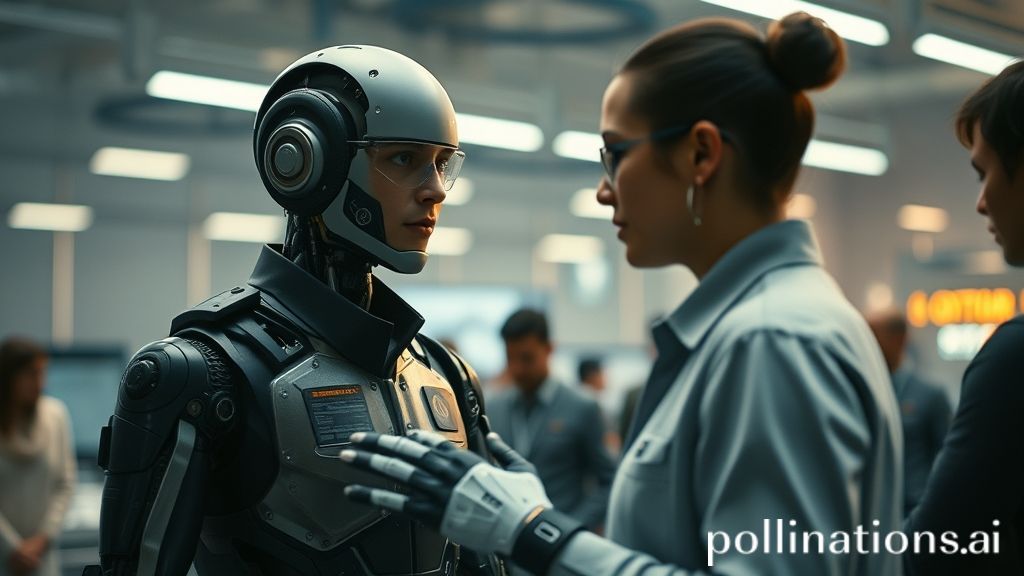
The Future of Work
The future of employment is undergoing a significant transformation, driven by the increasing presence of automation in various industries. As automation continues to advance, it is essential to understand its impact on the job market and the future of employment. With the rise of AI jobs, it is crucial to explore the relationship between automation and the future of work. According to a report by the McKinsey Global Institute, up to 800 million jobs could be lost worldwide due to automation by 2030 https://www.independent.co.uk/life-style/halloween-safety-kids-candy-parents-b2851008.html. This staggering statistic highlights the need for workers to develop new skills to remain competitive in an automated job market.
Intro
The future of employment is a topic of much debate, with many experts weighing in on the potential implications of automation. While some argue that automation will lead to widespread job displacement, others believe that it will create new opportunities for growth and development. As we navigate this uncertain landscape, it is essential to consider the potential impact of automation on AI jobs and the future of employment. For instance, a report by the World Economic Forum found that by 2022, more than a third of the desired skills for most jobs will be comprised of skills that are not yet considered crucial to the job today https://www.independent.co.uk/life-style/health-and-families/health-medical-myths-debunked-doctors-b2850368.html. This shift in required skills underscores the need for workers to be adaptable and willing to learn new skills to remain relevant in an automated job market.
Background
Automation has been a growing trend in recent years, with many companies adopting artificial intelligence (AI) and machine learning (ML) technologies to streamline their operations. While automation has improved efficiency and productivity, it has also raised concerns about job displacement and the future of employment. To better understand the implications of automation, it is essential to examine the current state of AI jobs and their potential impact on the job market. For example, consider a manufacturing plant that has implemented automated assembly lines. While this may displace some jobs, it also creates new opportunities for workers to focus on higher-value tasks, such as maintenance and quality control. As noted by experts in the field, \”the future of work will be characterized by a shift towards more flexible and remote work arrangements, as automation enables greater connectivity and collaboration\” https://www.independent.co.uk/life-style/halloween-donald-trump-costume-b2848836.html.
Trend
The trend of automation is expected to continue, with more companies investing in AI and ML technologies. As automation advances, we can expect to see significant changes in the job market, including the creation of new AI jobs and the displacement of traditional jobs. The future of employment will likely involve a mix of human and automated work, with automation handling repetitive and mundane tasks, while humans focus on creative and high-value tasks. According to a report by Gartner, the number of AI jobs will increase by 30% in the next two years, creating new opportunities for workers with skills in areas such as machine learning and natural language processing https://www.independent.co.uk/life-style/anthony-hopkins-daughter-estranged-wife-family-b2852477.html. To illustrate this point, consider the example of a virtual assistant, which can automate tasks such as scheduling appointments and responding to emails, freeing up human workers to focus on more complex tasks.
Insight
To gain a deeper understanding of the future of work, it is essential to explore the insights of experts in the field. By analyzing the relationship between automation and the future of employment, we can identify opportunities for growth and development. For instance, the rise of AI jobs will require workers to develop new skills, such as programming and data analysis, to remain competitive in the job market. Additionally, the future of employment will likely involve a shift towards more flexible and remote work arrangements, as automation enables greater connectivity and collaboration. As noted by experts, \”the key to success in an automated job market is to focus on developing skills that are complementary to automation, such as creativity, critical thinking, and problem-solving\” https://www.independent.co.uk/life-style/katy-perry-justin-trudeau-dating-tmz-b2852471.html. To achieve this, workers can pursue education and training programs that focus on developing these skills, such as online courses or certification programs.
Forecast
As automation continues to shape the future of work, it is essential to forecast the potential outcomes and implications. The future of employment is likely to be characterized by significant changes in the job market, including the creation of new industries and job categories. To prepare for this future, workers and companies must invest in education and training programs that focus on developing skills complementary to automation, such as creativity, critical thinking, and problem-solving. According to a report by the Brookings Institution, the future of work will be shaped by three key trends: automation, artificial intelligence, and the gig economy https://www.independent.co.uk/life-style/state-pension-age-retirement-b2851683.html. By understanding these trends and their potential implications, we can better prepare for the challenges and opportunities that lie ahead.
CTA
To stay ahead of the curve and thrive in an automated future, it is crucial to take action now. Individuals can start by developing new skills, such as programming and data analysis, to remain competitive in the job market. Companies can invest in education and training programs that focus on developing skills complementary to automation. By working together, we can ensure that the future of work is characterized by growth, innovation, and opportunity, rather than displacement and uncertainty. As we move forward, it is essential to remember that automation is not a replacement for human work, but rather a tool to enhance and augment our capabilities, ultimately leading to a more productive and efficient future of employment. As noted by experts, \”the future of work is not about replacing humans with machines, but about creating a future where humans and machines work together to achieve great things\” https://www.independent.co.uk/life-style/health-and-families/cortisol-cocktail-recipe-stress-blood-pressure-b2852398.html. By embracing this vision, we can create a future of work that is characterized by collaboration, innovation, and mutual benefit.
