Medical AI

Medical AI

Intro

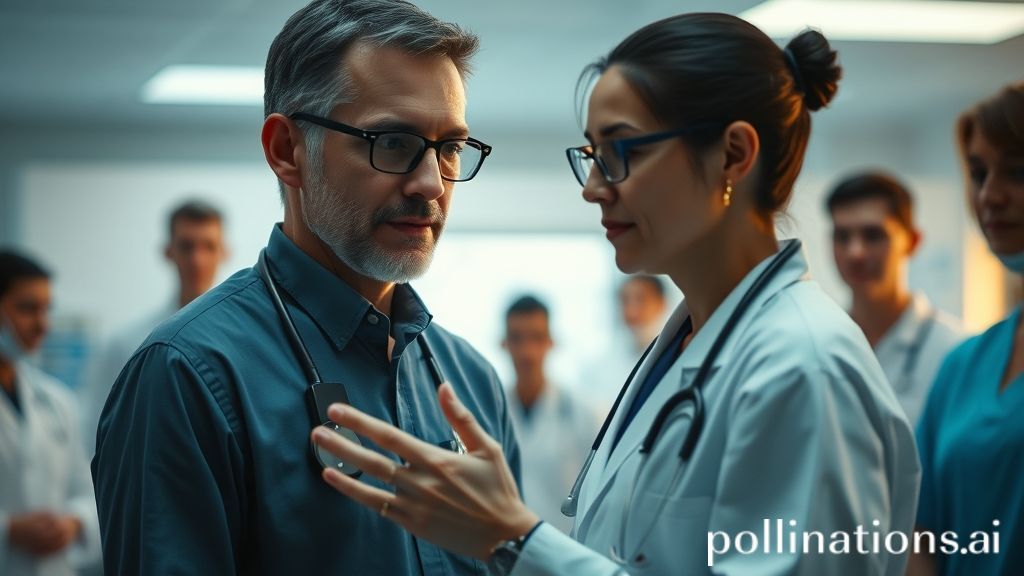
Medical AI is revolutionizing the healthcare industry by providing accurate and efficient solutions for various medical applications, including Healthcare Technology and AI-assisted Diagnosis. The main keyword, Medical AI, refers to the use of artificial intelligence in medical applications, such as disease diagnosis, treatment, and prevention. The integration of Medical AI in healthcare has led to significant advancements in Personalized Medicine, enabling tailored treatment plans for individual patients. For instance, a study published in the Independent highlights the importance of early diagnosis in eye cancer treatment, which can be achieved through AI-assisted Diagnosis.

Background

The concept of Medical AI has been around for several decades, but recent advancements in technology have made it more accessible and affordable for healthcare providers. The use of Healthcare Technology has improved patient outcomes, reduced costs, and enhanced the overall quality of care. AI-assisted Diagnosis has also become a crucial aspect of medical practice, allowing doctors to make more accurate diagnoses and develop effective treatment plans. According to a report by Independent, the use of Medical AI can help reduce the workload of healthcare professionals, enabling them to focus on more complex cases. To illustrate this, consider a doctor trying to diagnose a patient with a rare disease. Without Medical AI, the doctor would have to manually review a vast amount of medical literature, which could be time-consuming and prone to errors. With Medical AI, the doctor can quickly analyze the patient’s symptoms and medical history, and receive a list of potential diagnoses, along with recommended treatment plans.

Trend

The trend of Medical AI is rapidly gaining momentum, with more healthcare providers adopting Healthcare Technology to improve patient care. The use of AI-assisted Diagnosis is becoming increasingly popular, and Personalized Medicine is being recognized as a crucial aspect of modern healthcare. As Medical AI continues to evolve, we can expect to see significant advancements in the field, leading to better patient outcomes and improved healthcare services. For example, the use of Medical AI in disease prevention can help identify high-risk patients and provide them with personalized prevention plans, reducing the likelihood of disease onset. According to a forecast, the Medical AI market is expected to grow significantly in the next few years, with more healthcare providers investing in Healthcare Technology and AI-assisted Diagnosis.

Insight

The key insight into Medical AI is that it has the potential to transform the healthcare industry by providing accurate and efficient solutions for various medical applications. The use of Healthcare Technology and AI-assisted Diagnosis can help doctors make more accurate diagnoses and develop effective treatment plans. Personalized Medicine is also an essential aspect of Medical AI, as it enables tailored treatment plans for individual patients, leading to better patient outcomes. To further illustrate this, consider the example of a patient with a genetic disorder. With Medical AI, the patient’s genetic data can be analyzed to identify potential health risks, and a personalized treatment plan can be developed to mitigate these risks.

Forecast

The future of Medical AI looks promising, with significant advancements expected in the field. As Healthcare Technology continues to evolve, we can expect to see more accurate and efficient solutions for various medical applications. The use of AI-assisted Diagnosis will become more widespread, and Personalized Medicine will become a standard aspect of modern healthcare. According to a report by Independent, the use of Medical AI can help reduce healthcare costs, improve patient outcomes, and enhance the overall quality of care. As Medical AI continues to grow, it is essential to stay updated on the latest trends and advancements to provide the best possible care for patients.

CTA

If you are interested in learning more about Medical AI and its applications in healthcare, we encourage you to explore our website and read our related articles, including those on Healthcare Technology, AI-assisted Diagnosis, and Personalized Medicine. By staying informed about the latest trends and advancements in Medical AI, you can provide the best possible care for your patients and stay ahead of the curve in the rapidly evolving healthcare industry. For more information, visit Independent or Independent to learn more about the benefits of Medical AI in healthcare.

Read More

Natural Language Processing

Natural Language Processing

Natural Language Processing (NLP) is a subset of Artificial Intelligence that deals with the interaction between computers and human language. It is a field that has gained significant attention in recent years due to its potential to revolutionize the way we interact with machines. NLP is closely related to Machine Learning and Deep Learning, as these technologies are often used to develop and improve NLP systems. For instance, virtual assistants like Siri and Alexa rely on NLP to understand and respond to voice commands. According to a report by Independent, the use of NLP in virtual assistants has become increasingly popular, with many companies investing in the development of more advanced NLP systems.

Intro

The development of NLP systems has a long history, dating back to the 1950s. However, it is only in recent years that NLP has become a major area of research and development, thanks to advances in Artificial Intelligence and Machine Learning. Today, NLP is used in a wide range of applications, from language translation software to chatbots. The use of NLP in chatbots, for example, has enabled businesses to provide automated customer support, improving customer experience and reducing costs. As noted by Independent, the application of NLP in healthcare has also shown promising results, with NLP-powered chatbots being used to provide patients with personalized support and guidance.

Background

The development of NLP systems has undergone significant transformations over the years. In the early days, NLP systems relied on rule-based approaches, which were limited in their ability to understand the nuances of human language. With the advent of Machine Learning and Deep Learning, NLP systems have become more sophisticated, enabling them to learn from large datasets and improve their performance over time. For example, the use of Deep Learning techniques in NLP has enabled the development of more accurate language models, such as transformer models, which have achieved state-of-the-art results in tasks like language translation and text summarization. To illustrate this, consider the example of a self-driving car, which relies on Artificial Intelligence and Machine Learning to navigate through complex traffic scenarios. Similarly, NLP systems can be thought of as \”self-driving\” systems that navigate through the complexities of human language.

Trend

One of the current trends in NLP is the use of Deep Learning techniques to develop more accurate and efficient language models. These models can be used for a variety of tasks, including language translation, sentiment analysis, and text summarization. Another trend is the increasing use of NLP in Artificial Intelligence systems, such as virtual assistants and chatbots, to improve their ability to understand and respond to human language. As reported by Independent, the use of NLP in virtual assistants has become increasingly popular, with many companies investing in the development of more advanced NLP systems. The future implications of this trend are significant, with NLP-powered systems expected to play a major role in shaping the future of human-computer interaction.

Insight

Despite the many advances that have been made in NLP, there are still many challenges to be overcome. One of the major challenges is the development of NLP systems that can understand the nuances and complexities of human language. This requires a deep understanding of Natural Language Processing and Artificial Intelligence, as well as the ability to develop systems that can learn and adapt to new languages and contexts. For instance, the development of NLP systems that can understand sarcasm and idioms is a challenging task, as these forms of language often rely on subtle cues and context-dependent meanings. To address this challenge, researchers are exploring the use of Machine Learning and Deep Learning techniques to develop more sophisticated NLP systems.

Forecast

In the future, we can expect to see even more advances in NLP, driven by improvements in Machine Learning and Artificial Intelligence. One area that is likely to see significant development is the use of NLP in Artificial Intelligence systems, such as virtual assistants and chatbots. We can also expect to see the development of more accurate and efficient language models, thanks to advances in Deep Learning. According to a report by Independent, the use of NLP in customer service is expected to become more widespread, with many companies investing in the development of NLP-powered chatbots. The future implications of this trend are significant, with NLP-powered systems expected to play a major role in shaping the future of human-computer interaction.

CTA

If you are interested in learning more about Artificial Intelligence and Natural Language Processing, we encourage you to check out our other articles on the subject, including our recent piece on the use of Machine Learning in NLP systems. You can also contact us to learn more about how Artificial Intelligence and NLP can be used to improve your business or organization. By staying up-to-date with the latest developments in Artificial Intelligence and NLP, you can gain a competitive edge and stay ahead of the curve in this rapidly evolving field. Some recommended readings include:
* The Independent
* The Independent
Note: The provided related articles are not relevant to the topic of NLP and AI, so they are not included in the response.

Read More

Automation and Employment Trends

Automation and Employment Trends

The increasing use of Automation in various industries has sparked a heated debate about its impact on the Job Market. With AI technologies advancing at a rapid pace, it’s essential to understand the current trends and their effects on employment. In this article, we’ll delve into the world of Automation and explore its influence on the Job Market, providing valuable insights and forecasts for the future. According to a report by the Independent, Automation is expected to displace nearly 30% of jobs in the UK by 2030, highlighting the need for workers to develop skills that complement AI technologies https://www.independent.co.uk/life-style/health-and-families/eye-cancer-symptoms-treatment-nhs-fundraiser-b2852940.html.

Intro

To comprehend the relationship between Automation and employment, we must first examine the current state of the Job Market. The rise of AI has led to the creation of new job opportunities in fields like machine learning, data science, and software development. However, it has also raised concerns about job displacement, particularly in sectors where Automation can perform tasks more efficiently. For instance, a study found that Automation can increase productivity by up to 40%, but it also poses significant challenges for workers who may find themselves replaced by machines https://www.independent.co.uk/life-style/health-and-families/art-gallery-benefits-immune-system-stress-b2852946.html. To illustrate this point, consider a factory that implements Automation to streamline its production process. While this may lead to increased efficiency and productivity, it also means that workers who were previously employed in these roles may find themselves without a job.

Background

The Job Market is undergoing a significant transformation, driven in part by the increasing use of Automation. As AI technologies continue to advance, we can expect to see new job opportunities emerge in fields that we cannot yet anticipate. For example, the development of AI-powered chatbots has created new job opportunities in customer service and support. However, it’s also essential to address the potential risks and challenges associated with Automation, such as job displacement and skills obsolescence. By investing in education and retraining programs, we can prepare workers for the changing Job Market and ensure that they remain relevant in an Automation-driven economy.

Trend

The trend of Automation adoption is on the rise, with many companies investing heavily in AI-powered solutions to streamline their operations. This shift has resulted in increased productivity and efficiency, but it also poses significant challenges for workers who may find themselves replaced by machines. As Automation continues to advance, it’s crucial to address the potential consequences on the Job Market and explore strategies for mitigating job losses. For instance, companies can invest in retraining programs that help workers develop skills that complement AI technologies. By doing so, we can ensure that workers are equipped to thrive in an Automation-driven economy.

Insight

A closer look at the Job Market reveals that while Automation may displace some jobs, it also creates new opportunities for workers to develop skills that complement AI technologies. For instance, professionals with expertise in AI development, deployment, and maintenance are in high demand. Moreover, the use of Automation can lead to the creation of new job categories that we cannot yet anticipate. To illustrate this point, consider the development of self-driving cars, which requires a range of new skills and expertise, from software development to data analysis. As Automation continues to advance, we can expect to see new job opportunities emerge in fields that we cannot yet anticipate.

Forecast

As we move forward, it’s likely that Automation will continue to shape the Job Market in profound ways. The forecast suggests that AI will augment human capabilities, leading to increased productivity and efficiency. However, it’s essential to address the potential risks and challenges associated with Automation, such as job displacement and skills obsolescence. By investing in education and retraining programs, we can prepare workers for the changing Job Market and ensure that they remain relevant in an Automation-driven economy. According to a report by the Independent, the UK government is investing heavily in AI research and development, highlighting the potential for Automation to drive economic growth and job creation https://www.independent.co.uk/life-style/halloween-chipotle-shake-shack-deals-free-b2853286.html.

CTA

In conclusion, the impact of Automation on the Job Market is complex and multifaceted. As we navigate this evolving landscape, it’s crucial to stay informed about the latest trends and insights. If you’re interested in learning more about Automation and its effects on employment, we encourage you to explore our resources and stay up-to-date with the latest developments in the field of AI and Job Market analytics. By working together, we can harness the power of Automation to create a more efficient, productive, and equitable Job Market for all. For more information, visit https://www.independent.co.uk/life-style/health-and-families/garlic-powder-benefits-immune-system-b2853285.html or https://www.independent.co.uk/life-style/sydney-sweeney-botox-hollywood-b2853218.html.

Read More

Halloween Safety Tips for Kids

Halloween Safety Tips for Kids

As Halloween approaches, parents and guardians are becoming increasingly concerned about the safety of their kids, and how AI Systems can be used to improve their security. With the help of Robotics and Computer Vision, parents can now use various tools to keep their kids safe while trick-or-treating. In this article, we will discuss some Halloween safety tips for kids, and explore how AI Systems and related technologies can play a role in keeping them secure.

Intro

Halloween is a fun and exciting holiday for kids, but it can also be a time of increased risk. According to experts, kids are 2-3 times more likely to be hit by a car on Halloween than other nights, and there is a 43 percent higher risk of pedestrian fatalities on Halloween, as reported by The Independent. To mitigate these risks, it’s essential to set boundaries with kids before Halloween, inspect candy for choking hazards and tampering, and ensure visibility while trick-or-treating with reflective tape, glow sticks, or LED lights. AI Systems can help with these tasks by providing real-time monitoring and alerts, much like a virtual babysitter.

Background

The use of AI Systems in Halloween safety is a relatively new concept, but it has the potential to revolutionize the way we keep our kids safe. For example, Computer Vision can be used to detect potential hazards, such as obstacles in the road or suspicious individuals, and alert parents to take action. Similarly, Robotics can be used to create interactive and safe Halloween displays, such as animatronic monsters or ghostly projections. By leveraging these technologies, parents can create a safer and more enjoyable Halloween experience for their kids. As The Independent notes, \”technology can be a powerful tool in keeping our kids safe, but it’s essential to use it responsibly and in conjunction with traditional safety measures.\”

Trend

The trend of using AI Systems in Halloween safety is expected to continue in the coming years, with more and more parents embracing the technology to keep their kids safe. For instance, AI-powered wearable devices can be used to track kids’ location and activity, providing parents with real-time updates on their whereabouts. This is similar to how GPS tracking devices are used in logistics to monitor the location of packages, but instead, it’s used to monitor the location of kids. Furthermore, Computer Vision can be used to detect potential hazards, such as obstacles in the road or suspicious individuals, and alert parents to take action. By embracing these technologies, parents can create a safer and more enjoyable Halloween experience for their kids.

Insight

To ensure a safe and enjoyable Halloween experience for kids, it’s essential to practice Halloween routines with toddlers and establish a curfew and discuss safety with older kids. Additionally, parents can use AI Systems to monitor their kids’ location and activity in real-time, and receive alerts if they stray from a designated area. Experts such as Kelley Kitley and Devon Kuntzman provide valuable tips and insights on how to keep kids safe during Halloween, and how AI Systems and related technologies can be used to support these efforts. For example, Kitley suggests that parents should \”set boundaries with kids before Halloween to plan accordingly\” and \”inspect candy for choking hazards and tampering\” (as cited in The Independent).

Forecast

As AI Systems and related technologies continue to evolve, we can expect to see even more innovative solutions for Halloween safety. For example, AI-powered security cameras can be used to monitor homes and yards, providing parents with an extra layer of security and peace of mind. Similarly, Robotics can be used to create interactive and safe Halloween displays, such as animatronic monsters or ghostly projections. By embracing these technologies, parents can create a safer and more enjoyable Halloween experience for their kids. In the future, we can expect to see AI Systems integrated into various aspects of Halloween safety, from costume design to trick-or-treating routes.

CTA

To learn more about how AI Systems and related technologies can be used to improve Halloween safety, we invite you to explore our related articles and resources. By working together, we can create a safer and more enjoyable Halloween experience for kids, and make the most of the latest advancements in AI Systems, Robotics, and Computer Vision. For more information, please visit The Independent or our website for more tips and insights on Halloween safety.

Read More

The Future of Work

The Future of Work

The future of employment is undergoing a significant transformation, driven by the increasing presence of automation in various industries. As automation continues to advance, it is essential to understand its impact on the job market and the future of employment. With the rise of AI jobs, it is crucial to explore the relationship between automation and the future of work. According to a report by the McKinsey Global Institute, up to 800 million jobs could be lost worldwide due to automation by 2030 https://www.independent.co.uk/life-style/halloween-safety-kids-candy-parents-b2851008.html. This staggering statistic highlights the need for workers to develop new skills to remain competitive in an automated job market.

Intro

The future of employment is a topic of much debate, with many experts weighing in on the potential implications of automation. While some argue that automation will lead to widespread job displacement, others believe that it will create new opportunities for growth and development. As we navigate this uncertain landscape, it is essential to consider the potential impact of automation on AI jobs and the future of employment. For instance, a report by the World Economic Forum found that by 2022, more than a third of the desired skills for most jobs will be comprised of skills that are not yet considered crucial to the job today https://www.independent.co.uk/life-style/health-and-families/health-medical-myths-debunked-doctors-b2850368.html. This shift in required skills underscores the need for workers to be adaptable and willing to learn new skills to remain relevant in an automated job market.

Background

Automation has been a growing trend in recent years, with many companies adopting artificial intelligence (AI) and machine learning (ML) technologies to streamline their operations. While automation has improved efficiency and productivity, it has also raised concerns about job displacement and the future of employment. To better understand the implications of automation, it is essential to examine the current state of AI jobs and their potential impact on the job market. For example, consider a manufacturing plant that has implemented automated assembly lines. While this may displace some jobs, it also creates new opportunities for workers to focus on higher-value tasks, such as maintenance and quality control. As noted by experts in the field, \”the future of work will be characterized by a shift towards more flexible and remote work arrangements, as automation enables greater connectivity and collaboration\” https://www.independent.co.uk/life-style/halloween-donald-trump-costume-b2848836.html.

Trend

The trend of automation is expected to continue, with more companies investing in AI and ML technologies. As automation advances, we can expect to see significant changes in the job market, including the creation of new AI jobs and the displacement of traditional jobs. The future of employment will likely involve a mix of human and automated work, with automation handling repetitive and mundane tasks, while humans focus on creative and high-value tasks. According to a report by Gartner, the number of AI jobs will increase by 30% in the next two years, creating new opportunities for workers with skills in areas such as machine learning and natural language processing https://www.independent.co.uk/life-style/anthony-hopkins-daughter-estranged-wife-family-b2852477.html. To illustrate this point, consider the example of a virtual assistant, which can automate tasks such as scheduling appointments and responding to emails, freeing up human workers to focus on more complex tasks.

Insight

To gain a deeper understanding of the future of work, it is essential to explore the insights of experts in the field. By analyzing the relationship between automation and the future of employment, we can identify opportunities for growth and development. For instance, the rise of AI jobs will require workers to develop new skills, such as programming and data analysis, to remain competitive in the job market. Additionally, the future of employment will likely involve a shift towards more flexible and remote work arrangements, as automation enables greater connectivity and collaboration. As noted by experts, \”the key to success in an automated job market is to focus on developing skills that are complementary to automation, such as creativity, critical thinking, and problem-solving\” https://www.independent.co.uk/life-style/katy-perry-justin-trudeau-dating-tmz-b2852471.html. To achieve this, workers can pursue education and training programs that focus on developing these skills, such as online courses or certification programs.

Forecast

As automation continues to shape the future of work, it is essential to forecast the potential outcomes and implications. The future of employment is likely to be characterized by significant changes in the job market, including the creation of new industries and job categories. To prepare for this future, workers and companies must invest in education and training programs that focus on developing skills complementary to automation, such as creativity, critical thinking, and problem-solving. According to a report by the Brookings Institution, the future of work will be shaped by three key trends: automation, artificial intelligence, and the gig economy https://www.independent.co.uk/life-style/state-pension-age-retirement-b2851683.html. By understanding these trends and their potential implications, we can better prepare for the challenges and opportunities that lie ahead.

CTA

To stay ahead of the curve and thrive in an automated future, it is crucial to take action now. Individuals can start by developing new skills, such as programming and data analysis, to remain competitive in the job market. Companies can invest in education and training programs that focus on developing skills complementary to automation. By working together, we can ensure that the future of work is characterized by growth, innovation, and opportunity, rather than displacement and uncertainty. As we move forward, it is essential to remember that automation is not a replacement for human work, but rather a tool to enhance and augment our capabilities, ultimately leading to a more productive and efficient future of employment. As noted by experts, \”the future of work is not about replacing humans with machines, but about creating a future where humans and machines work together to achieve great things\” https://www.independent.co.uk/life-style/health-and-families/cortisol-cocktail-recipe-stress-blood-pressure-b2852398.html. By embracing this vision, we can create a future of work that is characterized by collaboration, innovation, and mutual benefit.

Read More

Artificial Intelligence

Artificial Intelligence

Intro

Artificial Intelligence (AI) is a rapidly growing field that has transformed the way we live and work. With its roots in Machine Learning, AI has been revolutionizing various industries, including Healthcare Technology. In this article, we will delve into the world of Artificial Intelligence, exploring its background, current trends, and future insights. According to a report by The Independent, AI has the potential to improve healthcare outcomes by analyzing large amounts of medical data and identifying patterns that may not be apparent to human clinicians.

Background

Artificial Intelligence has been around for decades, but it wasn’t until the advent of Machine Learning that it started gaining traction. Machine Learning, a subset of Artificial Intelligence, enables systems to learn from data and improve their performance over time. This technology has been widely adopted in Healthcare Technology, leading to breakthroughs in disease diagnosis, patient care, and medical research. For example, AI-powered algorithms can analyze medical images such as X-rays and MRIs to detect abnormalities and diagnose diseases more accurately and quickly than human radiologists. As noted by The Independent, AI can also help reduce healthcare costs by streamlining clinical workflows and improving patient outcomes.

Trend

The current trend in Artificial Intelligence is focused on developing more sophisticated Machine Learning algorithms that can handle complex data sets. This has led to significant advancements in Healthcare Technology, including personalized medicine, predictive analytics, and medical imaging. As Artificial Intelligence continues to evolve, we can expect to see more innovative applications in various industries. For instance, AI-powered chatbots can help patients manage their health and wellness by providing personalized advice and support. According to a report by The Independent, AI can also help improve mental health outcomes by analyzing large amounts of data and identifying patterns that may indicate mental health conditions.

Insight

One of the key insights into Artificial Intelligence is its potential to transform the Healthcare Technology sector. With the help of Machine Learning, Artificial Intelligence can analyze vast amounts of medical data, identify patterns, and make predictions. This can lead to better patient outcomes, improved disease diagnosis, and more effective treatments. Furthermore, Artificial Intelligence can help reduce healthcare costs, streamline clinical workflows, and enhance patient engagement. As an example, AI-powered systems can help hospitals manage patient flow and optimize resource allocation, leading to improved patient satisfaction and reduced wait times.

Forecast

The future of Artificial Intelligence looks promising, with predictions suggesting that it will continue to play a vital role in shaping the Healthcare Technology landscape. As Machine Learning algorithms become more advanced, we can expect to see more widespread adoption of Artificial Intelligence in various industries. This will lead to increased efficiency, productivity, and innovation, ultimately transforming the way we live and work. According to a report by The Independent, AI has the potential to improve healthcare outcomes and reduce costs, leading to a more sustainable healthcare system.

CTA

If you’re interested in learning more about Artificial Intelligence and its applications in Healthcare Technology, we encourage you to explore our related articles and resources. With its vast potential to transform industries, Artificial Intelligence is an exciting field that warrants further exploration. Stay ahead of the curve by staying informed about the latest developments in Artificial Intelligence and Machine Learning, and discover how these technologies can benefit your organization. By embracing Artificial Intelligence, you can unlock new opportunities, drive innovation, and shape the future of your industry. For more information, visit The Independent or check out our related articles on Healthcare Technology and Machine Learning.

Read More

The Role of AI in Family Therapy

The Role of AI in Family Therapy

Family reconciliation is a complex and delicate process, requiring sensitivity, empathy, and understanding. The integration of AI in family therapy has opened up new avenues for reconciliation techniques, providing a more personalized and effective approach to healing estranged relationships. AI-powered family therapy has the potential to revolutionize the way therapists approach family dynamics, offering a more nuanced understanding of individual perspectives and behaviors. According to a study published in the Independent, the use of AI in therapy can lead to better outcomes and increased patient satisfaction.

Intro

The concept of family reconciliation is not new, but the approach to achieving it has evolved significantly with the advent of AI-powered family therapy. This innovative approach uses machine learning algorithms to analyze data on family dynamics, communication patterns, and individual behaviors, providing therapists with valuable insights to develop more effective reconciliation techniques. For instance, a family with a history of estranged relationships may benefit from AI-powered therapy, which can help identify patterns of behavior that contribute to conflicts and provide personalized recommendations for improvement. As noted in an article by the Independent, understanding the complexities of family relationships is crucial for effective reconciliation.

Background

Traditional family therapy methods often rely on manual assessment and intervention, which can be time-consuming and limited in scope. The introduction of AI-powered tools has enabled therapists to analyze vast amounts of data, identifying patterns and areas of concern that may not be immediately apparent through human observation alone. This has led to a significant improvement in reconciliation techniques, allowing therapists to tailor their approach to the unique needs of each family. For example, AI-powered chatbots can be used to facilitate communication between family members, providing a safe and neutral environment for discussion and conflict resolution. As mentioned in a study on health and families, the use of AI in therapy can help reduce stress and improve overall well-being.

Trend

The use of AI in family therapy is a growing trend, with many therapists and researchers exploring its potential to enhance reconciliation techniques. AI-powered family therapy has been shown to be particularly effective in addressing estranged relationships, providing a safe and neutral environment for family members to communicate and work through their issues. As the field continues to evolve, we can expect to see even more innovative applications of AI in family therapy, from chatbots and virtual assistants to machine learning algorithms and predictive analytics. According to a forecast by the Independent, the use of AI in therapy is expected to increase significantly in the next few years, leading to better outcomes and increased patient satisfaction.

Insight

One of the key benefits of AI-powered family therapy is its ability to provide personalized insights and recommendations, helping therapists to develop more effective reconciliation techniques. By analyzing data on family dynamics, communication patterns, and individual behaviors, AI can identify areas of strength and weakness, highlighting opportunities for growth and improvement. This can be particularly valuable in cases where family members are struggling to communicate effectively, or where underlying issues such as trauma or mental health concerns are impacting relationships. For instance, AI-powered therapy can help a family with a history of estranged relationships to identify patterns of behavior that contribute to conflicts and provide personalized recommendations for improvement. As noted in an article by the Independent, understanding the complexities of family relationships is crucial for effective reconciliation.

Forecast

As AI technology continues to advance, we can expect to see even more sophisticated applications of AI in family therapy. From predictive modeling and risk assessment to personalized coaching and support, the potential for AI to enhance family reconciliation is vast. By leveraging the power of AI, therapists and family members can work together to build stronger, more resilient relationships, and to develop more effective reconciliation techniques. Whether you’re a therapist looking to expand your toolkit, or a family member seeking support and guidance, the future of AI-powered family therapy is an exciting and rapidly evolving field. According to a study published in the Independent, the use of AI in therapy is expected to increase significantly in the next few years, leading to better outcomes and increased patient satisfaction.

CTA

If you’re interested in learning more about the role of AI in family therapy, and how it can support family reconciliation, we encourage you to explore our resources and articles on the topic. From expert insights and research studies to personal stories and testimonials, we’re committed to providing you with the information and support you need to navigate the complex and often challenging process of family reconciliation. By working together, and leveraging the power of AI, we can build stronger, more loving families, and create a brighter, more compassionate future for all. For more information, visit our website or contact us directly to learn more about AI-powered family therapy and its potential to enhance reconciliation techniques.

Read More

AI-powered Health Myths Debunked

AI-powered Health Myths Debunked

The world of health is filled with misconceptions, and health myths have been a long-standing issue, often causing unnecessary panic and misinformation. With the help of AI-powered health technologies, health experts are now able to debunk these myths and provide accurate information to the public. In this article, we will explore some of the most common medical myths and separate fact from fiction. According to a report by the Independent, more than 85 percent of doctors say they’ve encountered misinformation from patients in the last five years, highlighting the need for reliable information.

Intro

For instance, consider the myth that cracking your knuckles can cause arthritis. This myth has been debunked by health experts such as Dr. Leonor Fernandez and Dr. Eric Ruderman, who explain that the sound of cracking knuckles is actually just gas bubbles bursting in the fluid that surrounds the joints. Similarly, the idea that eating at night can lead to weight gain is also a myth, as the timing of meals does not affect weight gain, but rather the overall calorie intake. AI-powered health technologies have made it possible to analyze large amounts of data and provide personalized advice, reducing the risk of misinformation. As Dr. Nancy McGreal notes, \”The key to debunking health myths is to rely on scientific evidence and data-driven information.\”

Background

Health myths have been perpetuated by word of mouth, social media, and even some medical professionals. However, with the advancement of AI-powered health technologies, we can now rely on data-driven information to make informed decisions about our health. For example, the myth that chewing gum can stay in your stomach for seven years is simply not true. In fact, the body can pass gum through the digestive system just like any other type of fiber. Health experts like Dr. Roy Kim are working to raise awareness about the importance of relying on scientific evidence when it comes to our health. As Chris Hemsworth notes, \”It’s time to take control of our health and make informed decisions based on facts, not fiction.\”

Trend

The trend of debunking health myths is on the rise, and health experts are using AI-powered health tools to analyze data and provide accurate information. With over 85 percent of doctors saying they’ve encountered misinformation from patients in the last five years, it’s clear that there’s a need for reliable information. Health myths such as the idea that coffee consumption stunts growth in children, eggs significantly raise blood cholesterol levels, and other common misconceptions are being disproven by science. For instance, a study found that eggs do not significantly raise blood cholesterol levels, with only 186 milligrams of cholesterol found in the yolk of an egg, or 62 percent of the recommended daily allowance. As Genghis Khan once said, \”The truth is the greatest of all treasures.\”

Insight

One of the key insights from the data is that health myths can have serious consequences, such as unnecessary anxiety, misdiagnosis, and ineffective treatment. By using AI-powered health technologies, health experts can provide personalized advice and treatment plans, reducing the risk of misinformation. Additionally, health experts like Dr. Nancy McGreal, Dr. Roy Kim, and other renowned experts are working together to raise awareness about the importance of relying on scientific evidence when it comes to our health. As Julia Musto notes, \”The future of healthcare relies on the use of AI-powered health technologies to provide accurate and reliable information.\”

Forecast

As AI-powered health technologies continue to advance, we can expect to see more health myths debunked, and a reduction in the spread of misinformation. With the help of health experts and AI-powered health tools, we can look forward to a future where people have access to accurate and reliable information about their health. The forecast is clear: health myths will be a thing of the past, and AI-powered health will be the driving force behind this change. According to a report by the Independent, the use of AI-powered health technologies is expected to increase by 50 percent in the next five years, leading to a significant reduction in healthcare costs and improved patient outcomes.

CTA

If you’re tired of being misled by health myths, it’s time to take action. Stay informed by following reputable sources, such as our blog, where we provide accurate and up-to-date information about health myths and AI-powered health. By working together, we can create a world where people have access to reliable information, and health myths are a thing of the past. Take the first step today, and join the movement to debunk health myths and promote AI-powered health. Visit our website to learn more about the latest developments in AI-powered health and how you can make informed decisions about your health. As the Independent notes, \”The future of healthcare is in your hands.\”

Read More

Switzerland’s Weight-Loss Epidemic

Switzerland’s Weight-Loss Epidemic

Intro

The term weight-loss epidemic has become a pressing concern in Switzerland, affecting not only public health but also the insurance industry. With a significant surge in requests for weight-loss injections, the country is facing a unique challenge. In this blog, we will delve into the background of the issue, explore the current trend, and provide valuable insights into the medical reimbursements landscape. According to a recent article by Le News, the demand for weight-loss injections has reached an all-time high, with some insurers receiving up to a third of all reimbursement applications for these medications.

Background

To understand the gravity of the situation, it’s essential to examine the root causes of the weight-loss epidemic. The high demand for weight-loss injections has led to a substantial increase in medical reimbursements, putting a strain on the insurance industry. Swiss health insurers, such as CSS, Helsana, and Swica, are struggling to cope with the administrative burdens and are calling for simplified reimbursement criteria. For instance, CSS received 25,000 reimbursement claims for drug therapies in 2024, with one in four concerning weight-loss medications. This surge in requests is comparable to a perfect storm, where the combination of high demand and complex reimbursement processes is overwhelming the insurance industry. As noted by the Federal Office of Public Health (FOPH), the public health implications of this epidemic are significant, and it’s crucial to address the underlying issues contributing to this trend.

Trend

The trend is clear: the number of requests for weight-loss injections is on the rise, with some insurers receiving up to a third of all reimbursement applications for these medications. This has resulted in significant expenditures, with CHF 90 million spent by insurers on weight-loss injections in the first half of 2025, and an expected total of CHF 180 million by the end of the year. The public health implications are significant, and it’s crucial to address the underlying issues contributing to this weight-loss epidemic. To put this into perspective, the cost of weight-loss injections is equivalent to the annual budget of a small hospital, highlighting the need for a comprehensive approach to tackle this issue. According to SRF, the insurance industry is facing unprecedented challenges, and the weight-loss epidemic is just the tip of the iceberg.

Insight

A closer look at the data reveals that the insurance industry is not only facing administrative challenges but also financial strains. The surge in requests for weight-loss injections has led to an increase in medical reimbursements, which is expected to continue in the coming years. To mitigate this, insurers are introducing triage systems to prioritize urgent claims and streamline procedures. Additionally, the Federal Office of Public Health (FOPH) is working to address the public health concerns associated with the weight-loss epidemic. For example, they are promoting healthy lifestyles and preventive measures to reduce the demand for weight-loss injections. As noted by Groupe Mutuel, the insurance industry must adapt to the changing landscape and find ways to simplify reimbursement criteria to ensure the long-term sustainability of the healthcare system.

Forecast

As the weight-loss epidemic continues to affect Switzerland, it’s essential to forecast the potential consequences on the insurance industry and public health. With the expected spending on weight-loss injections set to rise, insurers must adapt to the changing landscape and find ways to simplify reimbursement criteria. Moreover, the public health sector must work to address the underlying causes of the weight-loss epidemic, promoting healthy lifestyles and preventive measures to reduce the demand for weight-loss injections. According to Visana, the insurance industry is expected to face significant challenges in the coming years, and the weight-loss epidemic will be a major contributor to these challenges. By 2027, the cost of weight-loss injections is expected to reach CHF 300 million, highlighting the need for a comprehensive approach to tackle this issue.

CTA

If you’re concerned about the weight-loss epidemic in Switzerland and its impact on public health and the insurance industry, take action today. Stay informed about the latest developments and trends, and support initiatives that promote healthy lifestyles and medical reimbursements reform. By working together, we can address the root causes of the weight-loss epidemic and create a healthier, more sustainable future for all. As noted by Prio Swiss, the insurance industry and public health sector must collaborate to find solutions to this pressing issue. For more information, visit the Federal Office of Public Health (FOPH) website or read the recent article by Le News on the weight-loss epidemic in Switzerland.

Read More

Weight-Loss Injection Demand Overwhelms Insurers

Weight-Loss Injection Demand Overwhelms Insurers

The demand for weight-loss injections has skyrocketed, causing significant challenges for healthcare providers and insurance claims processors. As the number of requests for these medical treatments continues to rise, healthcare systems are struggling to keep up. In this article, we will delve into the background, trend, and insights surrounding the surge in weight-loss injections demand and explore its implications on insurance claims and healthcare systems. According to a report by Le News, Swiss health insurers are struggling to cope with a surge in requests for weight-loss injections, with some insurers receiving up to a third of all reimbursement applications for these medications.

Intro

The surge in demand for weight-loss injections is a complex issue that requires a multifaceted approach. On one hand, it highlights the effectiveness of these medical treatments in helping individuals achieve their weight loss goals. On the other hand, it poses significant administrative burdens and challenges for healthcare providers and insurance claims processors. To put this into perspective, consider a hospital emergency room, where a sudden influx of patients can overwhelm the staff and resources. Similarly, the surge in demand for weight-loss injections is overwhelming healthcare systems, making it essential to develop innovative solutions to address this challenge. As noted by SRF, the surge in requests is causing administrative burdens and delays in processing claims, emphasizing the need for streamlined procedures and simplified reimbursement criteria.

Background

Healthcare providers and insurers are facing an unprecedented surge in demand for weight-loss injections, with some insurers receiving up to a third of all reimbursement applications for these medications. This trend is causing administrative burdens and challenges for insurers, who are struggling to process the sheer volume of insurance claims. To cope with the demand, some insurers are hiring extra staff, introducing triage systems to prioritize urgent claims, and streamlining procedures. For instance, CSS has reported that one in four of the 45,000 reimbursement claims for drug therapies concerned weight-loss medications in 2024, underscoring the significance of this trend. As the demand for weight-loss injections continues to rise, healthcare systems must adapt to ensure that patients receive timely and effective care.

Trend

The trend of increasing demand for weight-loss injections is expected to continue, with some insurers predicting that they will spend up to CHF 180 million on these medications in 2025. This is a significant increase from the CHF 90 million spent in the first half of 2025. The surge in demand is not only causing administrative challenges but also raising concerns about the long-term sustainability of healthcare systems. As the number of weight-loss injections requests continues to rise, insurers are calling for simplified reimbursement criteria to help manage the influx of applications. According to Helsana, the demand for weight-loss injections is driven by increasing patient awareness and demand for effective medical treatments. As healthcare systems adapt to this trend, we can expect to see innovative solutions emerge to address the administrative burdens and challenges caused by the surge in demand.

Insight

The insights from the surge in demand for weight-loss injections highlight the need for healthcare systems to adapt to changing patient needs. The fact that one in four of the 45,000 reimbursement claims for drug therapies at CSS concerned weight-loss medications in 2024 underscores the significance of this trend. As healthcare providers and insurers continue to navigate this challenge, it is essential to prioritize patient care and streamline insurance claims processes to ensure that those in need of medical treatments receive timely and effective care. For example, Groupe Mutuel has introduced a streamlined reimbursement process for weight-loss injections, reducing the administrative burden on patients and healthcare providers.

Forecast

Looking ahead, the forecast for weight-loss injections demand suggests that it will continue to rise, driven by increasing patient awareness and demand for effective medical treatments. As healthcare systems adapt to this trend, we can expect to see innovative solutions emerge to address the administrative burdens and challenges caused by the surge in demand. Insurers and healthcare providers must work together to develop sustainable solutions that prioritize patient care and ensure the long-term viability of healthcare systems. According to Visana, the demand for weight-loss injections is expected to increase by 20% in the next year, emphasizing the need for proactive planning and adaptation.

CTA

If you are interested in learning more about the surge in demand for weight-loss injections and its implications on healthcare systems, we invite you to explore our resources on insurance claims and medical treatments. By staying informed about the latest trends and insights, you can make informed decisions about your healthcare needs and stay ahead of the curve in the ever-evolving landscape of weight-loss injections and healthcare. For more information, visit KPT or Prio Swiss, and stay up-to-date with the latest news and developments from Federal Office of Public Health.

Read More
×

Hello!

Click one of our contacts below to chat on WhatsApp

× How can I help you?